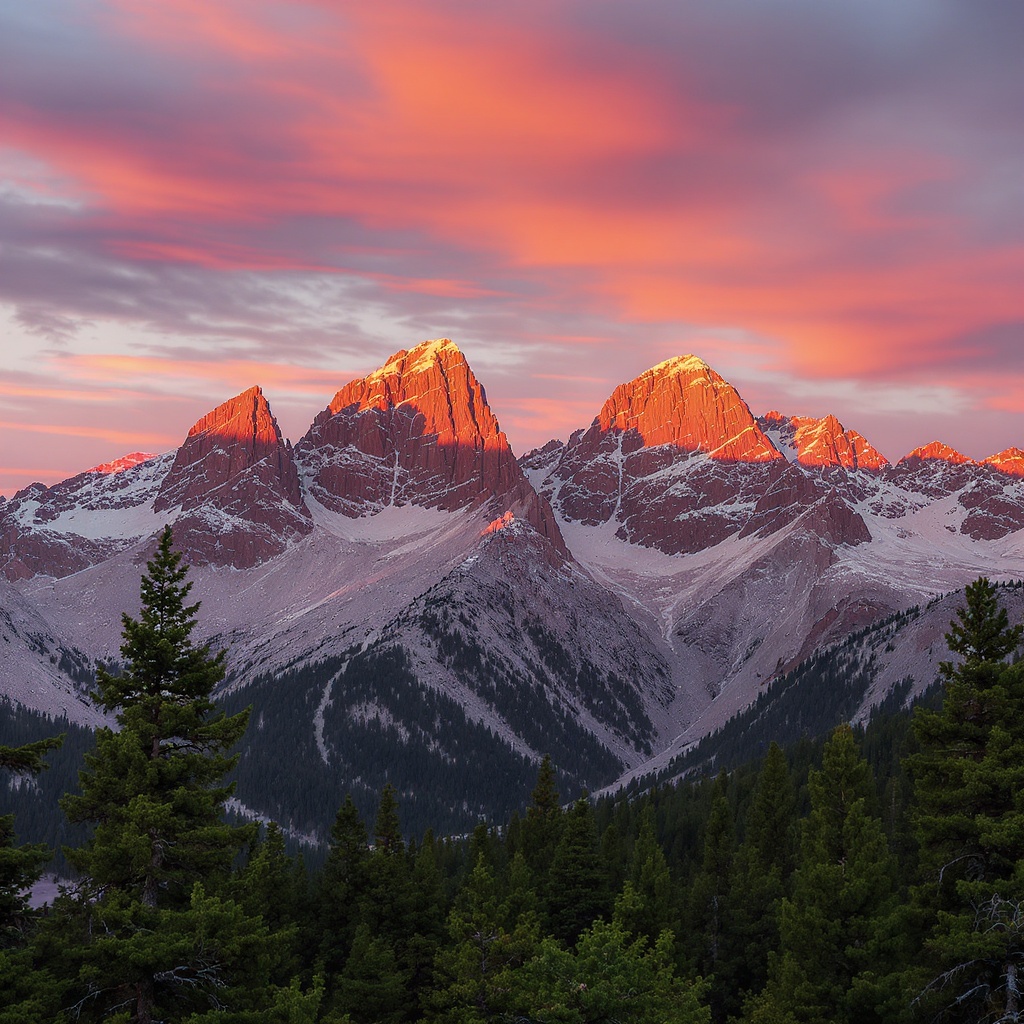
Introduction: Why Colorado Is the Best State to Camp
With over 500 campgrounds and countless dispersed camping areas stretching from the desert canyons of the Four Corners to the windswept alpine zones above 12,000 feet, Colorado offers more variety per square mile than just about anywhere in the country. Summer — typically June through mid-September at higher elevations — is the sweet spot for everything from mellow family-friendly campgrounds to remote backcountry pitches that make you earn your sunrise.
Whether you're looking for a spot with hot showers and a fire ring, or a legal plot of dirt where you can park for free and see zero other people, Colorado has it. Here are the best places to focus your trip planning.
1. Great Sand Dunes National Park — Southern Colorado
The dunes themselves are otherworldly, but the campground here punches above its weight. Piata Biennio Campground sits right at the base of the tallest sand dunes in North America, with views that shift dramatically by hour — the morning light turns the crests amber, while sunset sends the whole field into deep orange relief. Summer temps are manageable (highs in the 80s) and the星空 is exceptional.
Know before you go: Because of its southern location, Great Sand Dunes is one of the first Colorado destinations to fill up on summer weekends. Reservations open six months in advance. Fire bans are common in late summer — check conditions before you light a match.
2. Maroon Bells — Outside Aspen
If there is one image that defines Colorado camping, it is the Maroon Bells at sunrise. These two iconic peaks (actually the most-photographed mountains in North America) sit above a pristine alpine lake ringed with aspen groves. Maroon Lake Campground is the basecamp — and it's as crowded as you'd expect, which is exactly why you should consider a fallback: Silver Bar Campground on Maroon Creek Road or the more accessible Silver Queen Campground.
Getting to the Bells requires a paid shuttle reservation from Aspen Highlands from mid-June through September (no personal vehicles allowed on theMaroon Bells Road). Budget accordingly, but know the effort is worth it.
3. Rocky Mountain National Park — North-Central Colorado
RMNP dominates Colorado camping conversations, and for good reason. Glacier Basin Campground sits at 8,900 feet with genuine mountain scenery. Aspenglen near the Fall River entrance and Timber Creek on the west side offer slightly less trafficked alternatives. Backcountry camping in RMNP requires a free permit and is limited to specific zones — the reward is silence and solitude that the front-country sites simply cannot match.
Summer in RMNP means afternoon thunderstorms. Plan to be off high peaks by noon and move your camp cooking to earlier in the day. The park fills by 8am most summer days — enter early or reserve months in advance.
4. Curecanti National Recreation Area — Between Montrose and Gunnison
Often overshadowed by the bigger national parks, Curecanti sits on the Blue Mesa Reservoir and offers a unique combination of reservoir-side camping, historic ranches, and quiet nights. Pine Creek Campground overlooks the water and is surprisingly well-maintained. Lake Fork Campground and Cimarron Campground offer different vibes — more secluded, more rugged.
This area is a hidden gem for people who want to mix water activities (kayaking, paddleboarding, fishing) with camping without fighting the crowds of the big parks.
5. Collegiate Range — Near Buena Vista
The area around Mount Princeton Hot Springs, the Arkansas River, and the Collegiate Peaks has become one of the most sought-after camping corridors in Colorado. Tylerhorn Campground and South Cottonwood Lake area offer access to some of the finest high-alpine scenery in the state, with good fishing, accessible day hikes, and surprisingly affordable dispersed camping on Forest Service roads.
Summer brings wildflowers to the surrounding meadows — bring your camera.
6. Telluride — San Juan Mountains
The Matterhorn Campground just south of Telluride is small, shaded, and close to one of Colorado's most charming historic towns. But the real camping gold in this area is the Forest Service road network off Red Mountain Pass — specifically the Silverpick Road and roads around the Bolam Pass area. Free, legal, stunning. The catch: many of these routes require high-clearance 4WD. Plan accordingly.
Quick Tips for a Great Colorado Camping Trip
- Make reservations early. Summer weekend slots at most front-country campgrounds disappear by February for peak locations. Book 3–6 months out for popular areas.
- Check fire bans before you go. Colorado's 2025 fire season brought widespread bans across multiple counties. Our live fire ban map is updated weekly — check it before you light anything.
- Altitude matters. Most of Colorado's best camping is above 8,000 feet. Acclimate, drink twice the water you think you need, and avoid strenuous activity on day one.
- Bear country is real. Use approved bear canisters in the backcountry and store all food in bear boxes at drive-in sites. A surprise bear visit will ruin more than your trip.
- Pack layers. Colorado summer afternoons can swing 20–30°F from midday to sunset. A light puffy and rain shell are non-negotiable.
Plan Your Trip
These spots are just the starting point. Colorado has hundreds more — from the quiet ponderosa groves of the Front Range foothills to the sprawling sage plateaus of the Western Slope. The key to a great trip is knowing what each area offers before you arrive.
Use the PeakPlan trip planner to build a personalized multi-day itinerary for any of these destinations, complete with campsite recommendations, trail routes, weather alerts, and fire ban updates — all tailored to your group size and trip style.